
How to pray the Friday prayer (jumu‘ah)
How to pray the Friday prayer, step by step
Preparation, sermon, two rak‘ahs recited aloud, arriving late — the Friday prayer step by step, according to your school.

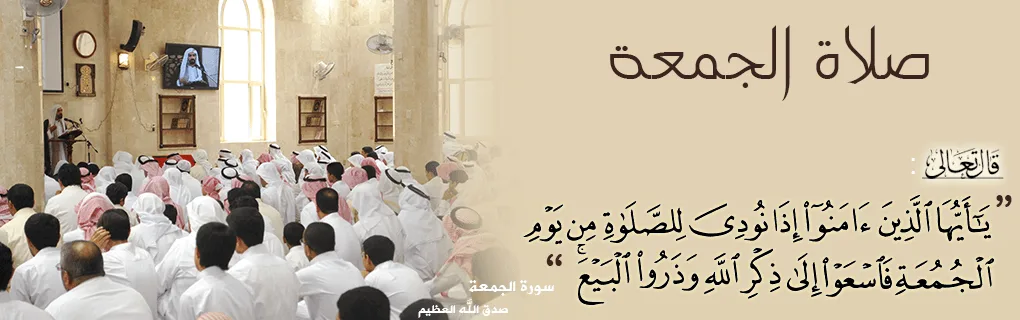
The Friday prayer replaces Dhuhr: two sermons, then two rak‘ahs in congregation at the mosque. “When the call is made for the prayer on Friday, hasten to the remembrance of Allah and leave off trade” (62:9).
By default, the school most followed by readers of this language; the views of the other schools remain visible.
The steps
-
Who must attend?Every adult, sane, resident and healthy Muslim man.
Obligatory (fard)Obligatory (fard)Obligatory (fard)Obligatory (fard)
It is obligatory for an adult man who is resident and in good health. Women, travellers, the sick and children are not required to attend; if they do, it replaces their Dhuhr.
References Quran, Al-Jumu’ah 62:9, Abu Dawud 1067
-
 Get readyGhusl, cleanliness, perfume, your best clothes, and coming early.
SunnahSunnahSunnahSunnah
It is recommended to perform ghusl, wear perfume and your best clothes, and come early to the mosque. “When one of you comes to the Friday prayer, let him perform ghusl.”
According to the Maliki school
The ghusl is a confirmed sunnah, done just before setting off for the mosque.
The views of the four schools
- Hanafi Sunnah
- Maliki Sunnah
The ghusl is a confirmed sunnah, done just before setting off for the mosque.
- Shafi‘i Sunnah
- Hanbali Sunnah
References al-Bukhari 877, al-Bukhari 883
-
 Arrive at the mosquePray two rak‘ahs to greet the mosque, then sit.
On entering, pray two rak‘ahs to greet the mosque, then sit and busy yourself with supplication and reading the Quran until the imam comes out.
According to the Hanafi school
If the sermon has begun, you sit without praying.
According to the Maliki school
If the sermon has begun, you sit without praying.
According to the Shafi‘i school
Even during the sermon, you pray two short rak‘ahs (the hadith of Sulayk).
According to the Hanbali school
Even during the sermon, you pray two short rak‘ahs.
The views of the four schools
- Hanafi
If the sermon has begun, you sit without praying.
- Maliki
If the sermon has begun, you sit without praying.
- Shafi‘i
Even during the sermon, you pray two short rak‘ahs (the hadith of Sulayk).
- Hanbali
Even during the sermon, you pray two short rak‘ahs.
References al-Bukhari 930, Muslim 875
-
Listen to the two sermons in silenceThe imam gives two sermons; you listen without speaking.
ConditionConditionConditionCondition
After the adhan, the imam gives two sermons separated by a short sitting. You listen in silence: “If you say to your companion ‘Be quiet!’ while the imam is giving the sermon, you have spoken idly.”
References al-Bukhari 934, Muslim 851
-
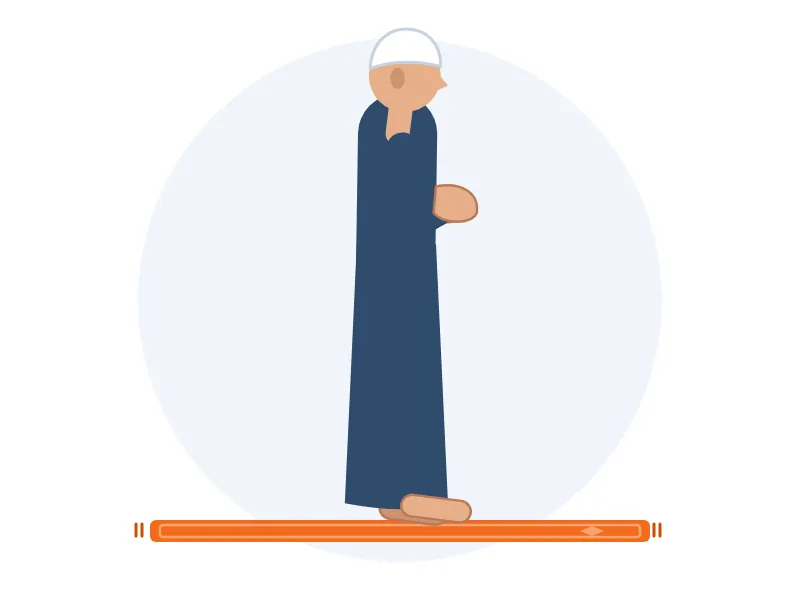 Pray two rak‘ahs behind the imamTwo rak‘ahs, recited aloud by the imam.
After the iqamah, the imam leads two rak‘ahs aloud, like Fajr. The Prophet ﷺ often recited Surahs al-A‘la and al-Ghashiyah in them (or al-Jumu‘ah and al-Munafiqun). Those behind the imam do not recite aloud.
Al-A’la, verses 1–19
بِسْمِ ٱللَّهِ ٱلرَّحْمَٰنِ ٱلرَّحِيمِ
سَبِّحِ ٱسْمَ رَبِّكَ ٱلْأَعْلَى ١ ٱلَّذِى خَلَقَ فَسَوَّىٰ ٢ وَٱلَّذِى قَدَّرَ فَهَدَىٰ ٣ وَٱلَّذِىٓ أَخْرَجَ ٱلْمَرْعَىٰ ٤ فَجَعَلَهُۥ غُثَآءً أَحْوَىٰ ٥ سَنُقْرِئُكَ فَلَا تَنسَىٰٓ ٦ إِلَّا مَا شَآءَ ٱللَّهُ إِنَّهُۥ يَعْلَمُ ٱلْجَهْرَ وَمَا يَخْفَىٰ ٧ وَنُيَسِّرُكَ لِلْيُسْرَىٰ ٨ فَذَكِّرْ إِن نَّفَعَتِ ٱلذِّكْرَىٰ ٩ سَيَذَّكَّرُ مَن يَخْشَىٰ ١٠ وَيَتَجَنَّبُهَا ٱلْأَشْقَى ١١ ٱلَّذِى يَصْلَى ٱلنَّارَ ٱلْكُبْرَىٰ ١٢ ثُمَّ لَا يَمُوتُ فِيهَا وَلَا يَحْيَىٰ ١٣ قَدْ أَفْلَحَ مَن تَزَكَّىٰ ١٤ وَذَكَرَ ٱسْمَ رَبِّهِۦ فَصَلَّىٰ ١٥ بَلْ تُؤْثِرُونَ ٱلْحَيَوٰةَ ٱلدُّنْيَا ١٦ وَٱلْـَٔاخِرَةُ خَيْرٌ وَأَبْقَىٰٓ ١٧ إِنَّ هَٰذَا لَفِى ٱلصُّحُفِ ٱلْأُولَىٰ ١٨ صُحُفِ إِبْرَٰهِيمَ وَمُوسَىٰ ١٩
sabbiḥi is'ma rabbika l-aʿlā · alladhī khalaqa fasawwā · wa-alladhī qaddara fahadā · wa-alladhī akhraja l-marʿā · fajaʿalahu ghuthāan aḥwā · sanuq'ri-uka falā tansā · illā mā shāa l-lahu innahu yaʿlamu l-jahra wamā yakhfā · wanuyassiruka lil'yus'rā · fadhakkir in nafaʿati l-dhik'rā · sayadhakkaru man yakhshā · wayatajannabuhā l-ashqā · alladhī yaṣlā l-nāra l-kub'rā · thumma lā yamūtu fīhā walā yaḥyā · qad aflaḥa man tazakkā · wadhakara is'ma rabbihi faṣallā · bal tu'thirūna l-ḥayata l-dun'yā · wal-ākhiratu khayrun wa-abqā · inna hādhā lafī l-ṣuḥufi l-ūlā · ṣuḥufi ib'rāhīma wamūsāsabbihi is'ma rabbika l-a‘la · alladhi khalaqa fasawwa · wa-alladhi qaddara fahada · wa-alladhi akhraja l-mar‘a · faja‘alahu ghuthaan ahwa · sanuq'ri-uka fala tansa · illa ma shaa l-lahu innahu ya‘lamu l-jahra wama yakhfa · wanuyassiruka lil'yus'ra · fadhakkir in nafa‘ati l-dhik'ra · sayadhakkaru man yakhsha · wayatajannabuha l-ashqa · alladhi yasla l-nara l-kub'ra · thumma la yamutu fiha wala yahya · qad aflaha man tazakka · wadhakara is'ma rabbihi fasalla · bal tu'thiruna l-hayata l-dun'ya · wal-akhiratu khayrun wa-abqa · inna hadha lafi l-suhufi l-ula · suhufi ib'rahima wamusa
Exalt the name of your Lord, the Most High, Who created and proportioned And who destined and [then] guided And who brings out the pasture And [then] makes it black stubble. We will make you recite, [O Muḥammad], and you will not forget, Except what Allāh should will. Indeed, He knows what is declared and what is hidden. And We will ease you toward ease. So remind, if the reminder should benefit; He who fears [Allāh] will be reminded. But the wretched one will avoid it – [He] who will [enter and] burn in the greatest Fire, Neither dying therein nor living. He has certainly succeeded who purifies himself And mentions the name of his Lord and prays. But you prefer the worldly life, While the Hereafter is better and more enduring. Indeed, this is in the former scriptures, The scriptures of Abraham and Moses.
Al-Ghashiyah, verses 1–26
بِسْمِ ٱللَّهِ ٱلرَّحْمَٰنِ ٱلرَّحِيمِ
هَلْ أَتَىٰكَ حَدِيثُ ٱلْغَٰشِيَةِ ١ وُجُوهٌ يَوْمَئِذٍ خَٰشِعَةٌ ٢ عَامِلَةٌ نَّاصِبَةٌ ٣ تَصْلَىٰ نَارًا حَامِيَةً ٤ تُسْقَىٰ مِنْ عَيْنٍ ءَانِيَةٍ ٥ لَّيْسَ لَهُمْ طَعَامٌ إِلَّا مِن ضَرِيعٍ ٦ لَّا يُسْمِنُ وَلَا يُغْنِى مِن جُوعٍ ٧ وُجُوهٌ يَوْمَئِذٍ نَّاعِمَةٌ ٨ لِّسَعْيِهَا رَاضِيَةٌ ٩ فِى جَنَّةٍ عَالِيَةٍ ١٠ لَّا تَسْمَعُ فِيهَا لَٰغِيَةً ١١ فِيهَا عَيْنٌ جَارِيَةٌ ١٢ فِيهَا سُرُرٌ مَّرْفُوعَةٌ ١٣ وَأَكْوَابٌ مَّوْضُوعَةٌ ١٤ وَنَمَارِقُ مَصْفُوفَةٌ ١٥ وَزَرَابِىُّ مَبْثُوثَةٌ ١٦ أَفَلَا يَنظُرُونَ إِلَى ٱلْإِبِلِ كَيْفَ خُلِقَتْ ١٧ وَإِلَى ٱلسَّمَآءِ كَيْفَ رُفِعَتْ ١٨ وَإِلَى ٱلْجِبَالِ كَيْفَ نُصِبَتْ ١٩ وَإِلَى ٱلْأَرْضِ كَيْفَ سُطِحَتْ ٢٠ فَذَكِّرْ إِنَّمَآ أَنتَ مُذَكِّرٌ ٢١ لَّسْتَ عَلَيْهِم بِمُصَيْطِرٍ ٢٢ إِلَّا مَن تَوَلَّىٰ وَكَفَرَ ٢٣ فَيُعَذِّبُهُ ٱللَّهُ ٱلْعَذَابَ ٱلْأَكْبَرَ ٢٤ إِنَّ إِلَيْنَآ إِيَابَهُمْ ٢٥ ثُمَّ إِنَّ عَلَيْنَا حِسَابَهُم ٢٦
hal atāka ḥadīthu l-ghāshiyati · wujūhun yawma-idhin khāshiʿatun · ʿāmilatun nāṣibatun · taṣlā nāran ḥāmiyatan · tus'qā min ʿaynin āniyatin · laysa lahum ṭaʿāmun illā min ḍarīʿin · lā yus'minu walā yugh'nī min jūʿin · wujūhun yawma-idhin nāʿimatun · lisaʿyihā rāḍiyatun · fī jannatin ʿāliyatin · lā tasmaʿu fīhā lāghiyatan · fīhā ʿaynun jāriyatun · fīhā sururun marfūʿatun · wa-akwābun mawḍūʿatun · wanamāriqu maṣfūfatun · wazarābiyyu mabthūthatun · afalā yanẓurūna ilā l-ibili kayfa khuliqat · wa-ilā l-samāi kayfa rufiʿat · wa-ilā l-jibāli kayfa nuṣibat · wa-ilā l-arḍi kayfa suṭiḥat · fadhakkir innamā anta mudhakkirun · lasta ʿalayhim bimuṣayṭirin · illā man tawallā wakafara · fayuʿadhibuhu l-lahu l-ʿadhāba l-akbara · inna ilaynā iyābahum · thumma inna ʿalaynā ḥisābahumhal ataka hadithu l-ghashiyati · wujuhun yawma-idhin khashi‘atun · ‘amilatun nasibatun · tasla naran hamiyatan · tus'qa min ‘aynin aniyatin · laysa lahum ta‘amun illa min dari‘in · la yus'minu wala yugh'ni min ju‘in · wujuhun yawma-idhin na‘imatun · lisa‘yiha radiyatun · fi jannatin ‘aliyatin · la tasma‘u fiha laghiyatan · fiha ‘aynun jariyatun · fiha sururun marfu‘atun · wa-akwabun mawdu‘atun · wanamariqu masfufatun · wazarabiyyu mabthuthatun · afala yanzuruna ila l-ibili kayfa khuliqat · wa-ila l-samai kayfa rufi‘at · wa-ila l-jibali kayfa nusibat · wa-ila l-ardi kayfa sutihat · fadhakkir innama anta mudhakkirun · lasta ‘alayhim bimusaytirin · illa man tawalla wakafara · fayu‘adhibuhu l-lahu l-‘adhaba l-akbara · inna ilayna iyabahum · thumma inna ‘alayna hisabahum
Has there reached you the report of the Overwhelming [event]? [Some] faces, that Day, will be humbled, Working [hard] and exhausted. They will [enter to] burn in an intensely hot Fire. They will be given drink from a boiling spring. For them there will be no food except from a poisonous, thorny plant Which neither nourishes nor avails against hunger. [Other] faces, that Day, will show pleasure. With their effort [they are] satisfied In an elevated garden, Wherein they will hear no unsuitable speech. Within it is a flowing spring. Within it are couches raised high And cups put in place And cushions lined up And carpets spread around. Then do they not look at the camels - how they are created? And at the sky - how it is raised? And at the mountains - how they are erected? And at the earth - how it is spread out? So remind, [O Muḥammad]; you are only a reminder. You are not over them a controller. However, he who turns away and disbelieves – Then Allāh will punish him with the greatest punishment. Indeed, to Us is their return. Then indeed, upon Us is their account.
References Muslim 878, Muslim 877
-
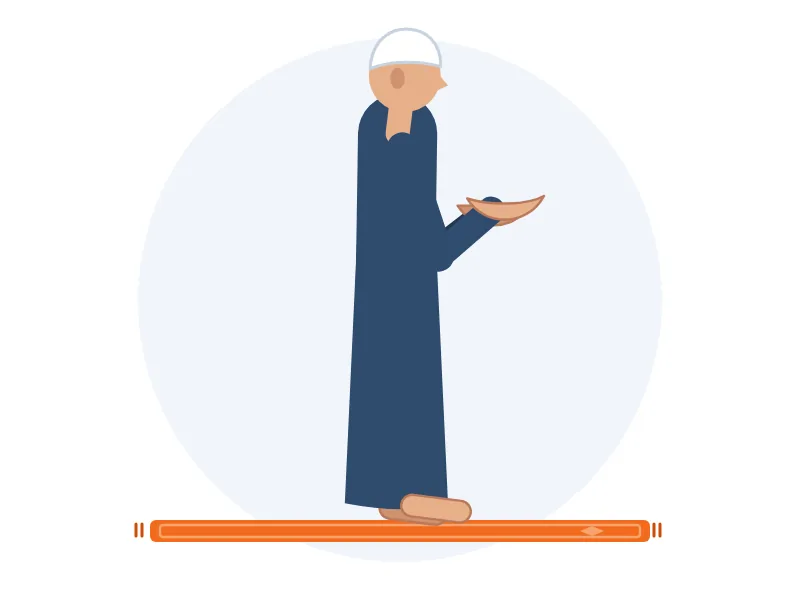 After the prayerPray the Friday sunnah and make plenty of supplication.
After the prayer, pray the sunnah (two or four rak‘ahs) and increase your supplications and prayers upon the Prophet ﷺ on this day.
According to the Hanafi school
Four rak‘ahs before and four after.
According to the Maliki school
No fixed sunnah; you pray voluntary prayers freely.
According to the Shafi‘i school
Two or four rak‘ahs before and after.
According to the Hanbali school
Two to six rak‘ahs after, with no fixed sunnah before.
The views of the four schools
- Hanafi
Four rak‘ahs before and four after.
- Maliki
No fixed sunnah; you pray voluntary prayers freely.
- Shafi‘i
Two or four rak‘ahs before and after.
- Hanbali
Two to six rak‘ahs after, with no fixed sunnah before.
-
If I arrive lateCatching one rak‘ah with the imam is enough; otherwise, pray four rak‘ahs of Dhuhr.
If you join the imam before he rises from the bowing of the 2nd rak‘ah, you have caught the Friday prayer: complete one rak‘ah after his salam. Otherwise, pray four rak‘ahs of Dhuhr. “Whoever catches one rak‘ah of the prayer has caught the prayer.”
According to the Hanafi school
For Abu Hanifah, joining the imam before the salam is enough to pray two rak‘ahs.
The views of the four schools
- Hanafi
For Abu Hanifah, joining the imam before the salam is enough to pray two rak‘ahs.
References al-Bukhari 580, Muslim 607
Frequently asked questions
- How many rak‘ahs is the Friday prayer?
-
Two, recited aloud, after two sermons.
- Can it be prayed alone at home?
-
No — it is only prayed in congregation with the sermon; alone, you pray Dhuhr.
A learning guide based on the references cited. For a particular case, ask a person of knowledge. References Quran, Al-Jumu’ah 62:9, al-Bukhari 934, Muslim 851, Muslim 877, Muslim 878, Abu Dawud 1067, al-Bukhari 877, al-Bukhari 883, al-Bukhari 930, Muslim 875, al-Bukhari 580, Muslim 607
Comments
No comments yet.
Log in to comment Create an account