
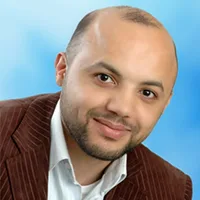
Anasheed by Mohamed Zemrani
محمد الزمراني
Morocco. 4 albums, 24 anasheed.
Albums
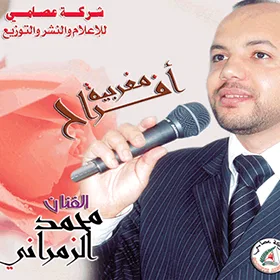
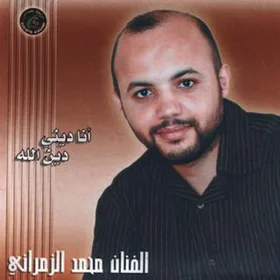
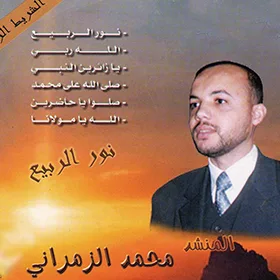
All anasheed (24)
- 1 Ahlane wa sahlane bikome أهلا و سهلا بكم 6:16
- 2 Hafla jmila حفلة جميلة 5:42
- 3 Ja moulay sultan جى مولاي سلطان 10:40
- 4 Al hana al chamaliya الحنة الشمالية 10:56
- 5 Yal mima يا الميمة 8:51
- 6 Allah ya moulana الله يا مولانا 5:48
- 7 Habibi حبيبي 5:11
- 8 Track 1 مقطوعة 1 23:36
- 9 Track 2 مقطوعة 2 23:43
- 10 Salo ya hadirine صلوا يا حاضرين 7:22
- 11 Salou 3ala mohamed صلوا على محمد 4:11
- 12 Track 3 مقطوعة 3 22:50
- 13 Ya za2irine annabi يا زائرين النبي 7:03
- 14 Teeba al madina طيب المدينة 6:12
- 15 Allah rabi الله ربي 6:04
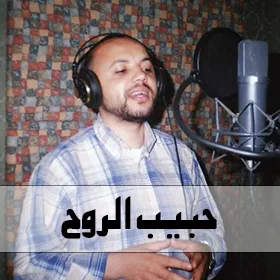
- 16 Habib arroh حبيب الروح 3:34
- 17 Nour arrabi3 نور الربيع 6:14
- 18 Wa annabi annabi والنبي النبي 3:58
- 19 Sala allah 3ala mohamed صلى الله على محمد 8:16
- 20 Ya akrama al morssaline 1 يا اكرم المرسلين 1 0:53
- 21 Ya akrama al morssaline 2 يا اكرم المرسلين 2 4:06
- 22 Ya illaha al 3alamine 1 يا إله العالمين 1 0:56
- 23 Ya illaha al 3alamine 2 يا إله العالمين 2 2:45
- 24 Ya omi يا أمي 4:39
Biography of Mohamed Zemrani
Mohamed Zemrani: a voice born of the echo of madih and sama’!
The artist Mohamed Zemrani, whose full name is Mohamed Mustapha Abdelkader Zemrani Rahhali Idrissi, was born in Tetouan, in northern Morocco. He grew up in the conservative environment of a Moroccan family that had been devoted to the art of madih (praise of the Prophet) and sama’ (spiritual singing) for generations; many of its members were munshids, panegyrists and sama’ singers, which shaped his personality and helped his talent to blossom.
At the age of seven, the first signs of Mohamed Zemrani’s talent emerged, thanks to his regular attendance, with his father and uncles, at the gatherings of dhikr and madih held in the religious zawiyas of Tetouan and its surroundings. These gatherings were his first school: there he rubbed shoulders with the great masters of madih and sama’, spontaneously learning from them the principles of this noble art and naturally absorbing its vocal rules.
Over the years, his friends and those close to him discovered his moving voice and his inclination toward devotional singing, and they encouraged him to pursue this path. He worked on his talent as it deserved and sought wider horizons in which to showcase it and share it with those around him. He had the opportunity to do so at school celebrations held for national and religious holidays and other occasions, and later joined a number of local nasheed groups.
At the same time, Mohamed Zemrani enrolled at the Tetouan music conservatory, where he studied music and its rules and learned about the history and characteristics of madih and sama’. He then joined the Andalusian music orchestra of the late Mohamed Temsamani, which helped him refine his talent and gain experience, and later the orchestra of the Tetouan conservatory led by Professor Mohamed Amine El Akrami, with whom he took part in numerous artistic events and television recordings for Morocco’s two national channels, Al Aoula and 2M. In 1997 he founded his own group, which he still leads today.
In 2005, Mohamed Zemrani’s career took an important turn with the release of his first album, “Ana Dini Din Allah,” which marked his true launch in the world of nasheed. The album was warmly received in artistic circles in general, and among devotees of religious singing in particular, and won admiration and praise both in Morocco and abroad.
Following the success of his first album, Mohamed Zemrani’s artistic catalog grew with more than ten further albums released between 2006 and 2014, in addition to three songs filmed as music videos. These albums include, to name but a few, the album “Habib ar-Rouh” and “Nour ar-Rabi’,” as well as the music video “Khudhni li-Samaika ya Watani,” which he filmed in Kuwait.
Photos


1 comment in English
9 in total, all languages
I really appreciate this site, as it serves as a ready made substitute to unethical western songs to all well meaning muslim. More grease to your elbows for the good work. Salam