

Anasheed by Mohamed El-Mazem
محمد المازم
United Arab Emirates. 1 album, 10 anasheed.
Albums
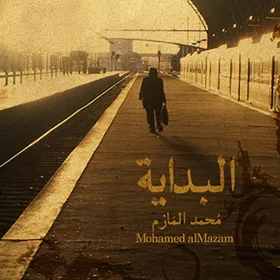
All anasheed (10)
- 1 Ya habibi ya mohamed يا حبيبي يا محمد 5:08
- 2 Ya habibi ya mohamed (without iqa3) يا حبيبي يا محمد (بدون إيقاع) 4:17
- 3 Munajat lil مناجاة اليل 8:29
- 4 Munajat lil (without iqa3) مناجاة اليل (بدون إيقاع) 8:25
- 5 Al hassoud الحسود 3:23
- 6 Al hassoud (without iqa3) الحسود (بدون إيقاع) 3:27
- 7 Dikroka balssam ذكرك بلسم 5:36
- 8 Dikroka balssam (without iqa3) دكرك بلسم (بدون إيقاع) 5:35
- 9 KAMA todeeno todane كما تدين تدان 7:05
- 10 KAMA todeeno todane (without iqa3) كما تدين تدان (بدون إيقاع) 5:49
Biography of Mohamed El-Mazem
Mohamed El-Mazem: the true beginning!
He was known for his love songs and his dance-filled music videos. One day he took a hard look at himself and decided to give up secular singing and devote himself to Islamic nasheeds. He believes that love songs and dance videos are trivial, and that the love he promoted in his earlier songs is not the answer to every problem; in his view, Islamic nasheeds are true art, because they help build noble values and instill sound principles. This is the Emirati munshid Mohamed El-Mazem.
Mohamed El-Mazem’s early career was marked by a series of meaningful social and patriotic songs. In 1994 he released an awareness song about the scourge of drugs, followed later by a varied collection of entertaining and educational songs for children with special needs. He then moved on to love songs until 2007, when he announced that he was giving up secular singing for good and turning to religious nasheeds.
This shift from love songs to Islamic nasheeds led the artist Mohamed El-Mazem to release his first nasheed album, which he titled “Al-Bidaya” (“The Beginning”) to express his fresh start in religious chanting. The album features standout nasheeds such as “Ya Habibi Ya Muhammad” (“O My Beloved, O Muhammad”), “Kama Tadinu Tudan” (“As You Judge, So Shall You Be Judged”) and “Mufaja’at Layl” (“A Night’s Surprise”). Mohamed El-Mazem feels that with this album he began a new life, filled with a sense of responsibility toward himself and toward society; that is why he has made religious chanting a key means of restoring the balance between good art and bad.
Unlike his earlier songs and dance videos, the young munshid chose to film his religious nasheeds amid breathtaking natural scenery, believing that nothing is more beautiful than nature as the Lord created it, with its forests, deserts, seas and rivers. To that end, he agreed with director Jamil Al-Maghazi to shoot his nasheeds in natural settings, out of respect for himself and his audience, and to avoid anything that might harm his purposeful art and noble message.
In a television interview, the young munshid acknowledged that his turn to Islamic nasheeds was inspired by the world-famous Muslim nasheed artist Yusuf Islam. Mohamed El-Mazem believes that, as an Arab and a Muslim, he had all the more reason to be among the first to leave secular singing behind in favor of meaningful Islamic nasheeds. He said he hopes to become an international munshid one day, thanks to Arab satellite channels and the growing Muslim communities in Europe and America.
Since his debut in religious chanting, the artist Mohamed El-Mazem has expanded his body of work and enriched the Arab nasheed scene with a number of outstanding and successful albums, including, among others, “Al-Bidaya” (2007), “Salati” (2010) and “Al-Kull Bil-Kull” (2011).
Photos


1 comment in English
2 in total, all languages
He has great voice & he always sing from his heart. May Allah bless him with good health and long life with happiness. People from Pakistan love his nasheeds Ya Habibi Ya Muhammad a lot!